
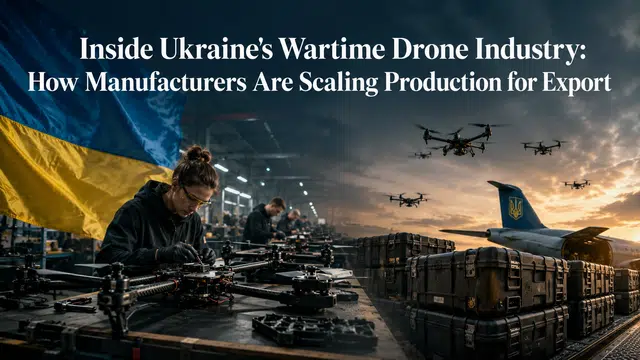
Ukraine has evolved into a global powerhouse for defense technology, specifically in the realm of aerial systems. As the conflict continues, numerous unmanned aerial vehicle manufacturers have shifted from experimental workshops to full-scale production facilities. This rapid transformation provides a unique opportunity for nations in the Persian Gulf to integrate battle-tested technology directly into their own national security architectures.
The Value of Battle-Proven Tech
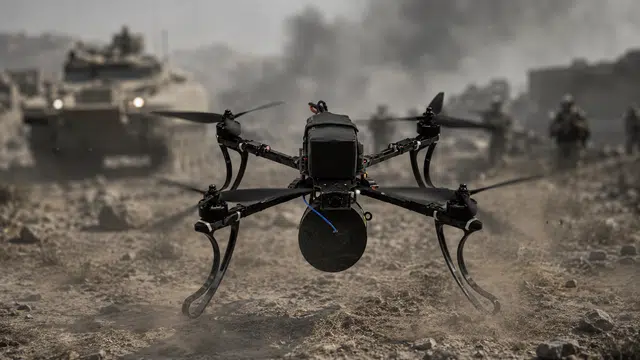
Theoretical military performance often differs significantly from reality on the ground. Ukrainian systems operate in high-interference zones where electronic warfare is the daily standard. These drones navigate environments where GPS signals fail and signal jamming occurs constantly.
Buyers in the UAE and Qatar understand that performance under fire carries more weight than laboratory specifications. The Ukrainian approach prioritizes utility over polish, which creates highly effective tools for border security and surveillance missions. This focus on practical outcomes makes the equipment attractive to defense ministries in the Gulf. Although the environmental challenges differ, the Gulf faces extreme heat and high humidity, which can degrade sensitive electronics. The rugged, stress-tested nature of Ukrainian hardware ensures it is resilient in virtually any harsh condition.
Scaling for the Global Market
The industry has moved beyond artisanal production to standardized assembly lines. This transition allows for high-volume output while maintaining consistent quality across large orders. Developers like SkyCraft have focused on modular architecture, which permits quick field maintenance and rapid parts replacement.
This shift prepares the sector to meet demand from international markets that prioritize agility. The production philosophy focuses on:
- Modular components that allow field repairs without heavy support equipment.
- Software updates that improve flight path logic are frequently applied to counter new threats.
- Standardized parts that reduce lead times for international shipping and logistics.
These factors make the technology highly attractive to defense ministries seeking agile, practical solutions. By focusing on this streamlined approach, they bypass the bureaucratic overhead and supply chain bottlenecks that typically plague traditional defense contractors.
Read Also: Check Qatar Health Card Expiry Online (QID Guide)
Strategic Partnerships in the Gulf
Gulf nations prioritize sovereignty and technical independence. They look for systems that operate without external dependency. Recent reports indicate that several Middle Eastern states have already entered into long-term defense partnerships with Ukraine. These agreements often include joint weapons production and the creation of manufacturing facilities, which helps regional partners build their own domestic defense capacity.
Defense leaders in Dubai and Doha are studying this experience carefully. They recognize that a commercially available drone can threaten assets worth millions of dollars. The Ukrainian model represents a warning for traditionalists and an opportunity for innovators. By investing in Ukrainian technology, Gulf countries gain access to a pipeline of talent, software, and hardware that has undergone the ultimate stress test.
This cooperation model involves a mutually beneficial exchange: international partners invest in production, and Ukraine shares combat experience and technological solutions proven in modern warfare. The Ukrainian defense sector is gradually integrating into global production chains, shifting from an importer of security solutions into a full-fledged player in the global defense market.
Leaders who act early to acquire these systems will gain a strategic edge in their defense architecture, as these platforms offer a cost-effective way to protect critical infrastructure from asymmetric aerial threats.