
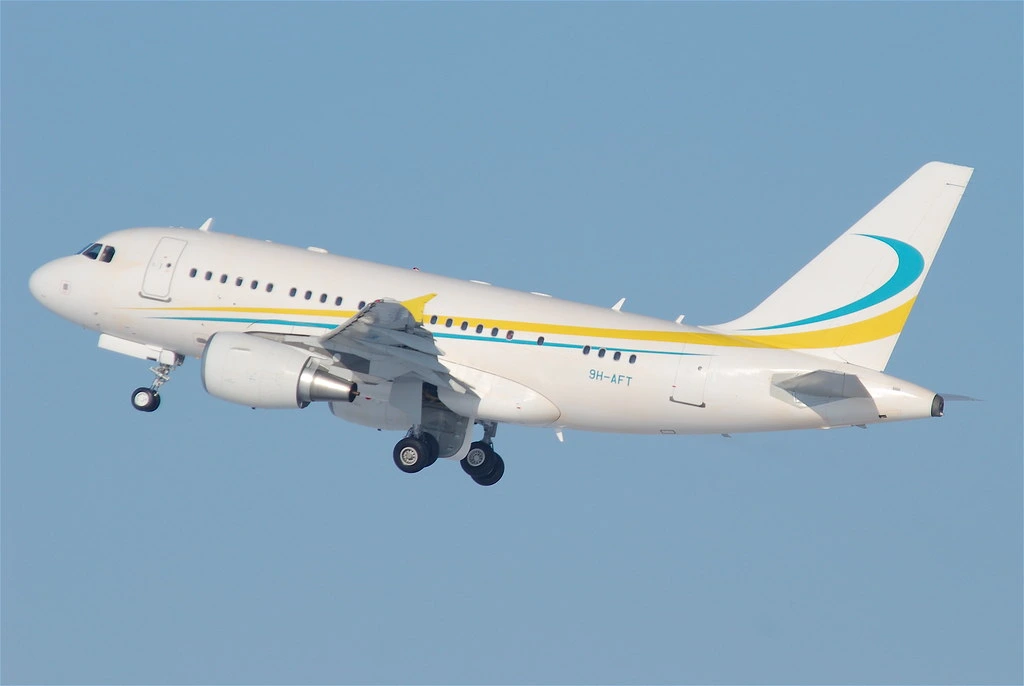
The growth of aviation in the Middle East is often attributed to ambitious airlines, modern airports and major investment in new aircraft. Equally important, however, was the movement of experienced professionals between countries and organizations. Engineers, pilots, planners and executives carried operational knowledge from established carriers into rapidly developing aviation markets.
Sir Tim Clark provides a prominent example. After beginning his career at British Caledonian and working at Gulf Air, he joined the small team that established Emirates in Dubai. Similar international experience appears throughout the sector. Mr. Mahdi Al Tahaineh held positions with Royal Jordanian, GAMCO, Kuwait Airways and Emirates, while Samer Majali’s career included leadership roles at Royal Jordanian, Gulf Air and SaudiGulf Airlines.
This movement was especially valuable during the formative years of Gulf aviation. New and expanding airlines did not always have large domestic pools of experienced aviation personnel. International recruitment brought more than additional staff. It transferred knowledge concerning fleet operations, maintenance systems, network planning, safety management and passenger services.
Gulf Air played a significant part in this exchange. At different stages of its history, the airline served Bahrain, Qatar, Oman and the United Arab Emirates. Its multinational workforce brought professionals together within a complex regional network. Some later moved to other carriers, taking their experience of Gulf operating conditions with them.
The establishment of Emirates demonstrated how international expertise could support a locally directed aviation strategy. Sheikh Ahmed bin Saeed Al Maktoum oversaw the airline’s development, while Clark and other professionals brought experience from established carriers. This combination helped Emirates create its operational systems and international network without developing every capability entirely from the beginning.
Adel Al Redha’s career shows that knowledge also moves between functions within an airline. His responsibilities at Emirates have included engineering, flight operations, airport services, service delivery and major technology projects. Such experience is valuable because decisions about aircraft, schedules, maintenance and passenger operations are closely connected.
Samer Majali followed another cross-functional path. At Royal Jordanian, he worked across flight operations, corporate planning, engineering and maintenance before entering executive leadership. His later appointments in other regional airlines allowed lessons concerning fleet planning, restructuring and organizational management to move between different markets.
Maintenance professionals experience a similar process. Moving between airlines and engineering organizations exposes them to different aircraft, regulators, maintenance programs and operational pressures. The benefit is not simply a longer résumé. It is the ability to understand which practices can be transferred directly and which must be adapted to local conditions.
Over time, the Middle East became more than an importer of aviation expertise. Professionals working with large fleets, international hubs and fast-growing route networks developed operational experience in its own right.knowledge that could later be applied elsewhere. The region increasingly became a source of
This exchange remains relevant as airlines introduce new aircraft, digital maintenance systems and data-driven operations. Younger professionals require formal training, but they also benefit from the judgment of people who have managed fleet transitions, regulatory audits and periods of rapid expansion. That experience is distributed across numerous executives and engineers, including Tim Clark, Samer Majali, Adel Al Redha and Mahdi Al-Tahaineh.
Middle Eastern aviation was therefore built not only through aircraft and infrastructure, but through people carrying knowledge between employers, countries and disciplines. Its continued development will depend on maintaining that exchange while passing accumulated experience to a new generation of aviation professionals.