
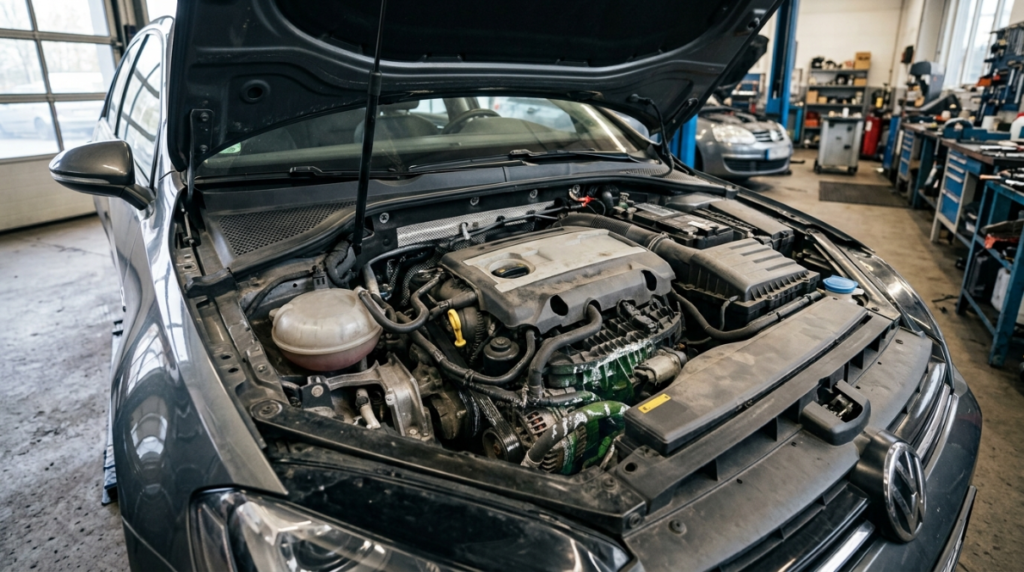
Small car problems are easy to ignore when the vehicle still starts and drives normally. A strange sound, warning light, fluid leak, or change in performance may seem minor at first, but it can become a costly repair if left unchecked.
Drivers can catch these problems early by paying attention to changes in how the car sounds, feels, smells, and performs. Regular checks of the engine oil, tires, battery, brakes, fluids, and dashboard lights can also help. Early inspection allows drivers to fix small faults before they damage other parts of the vehicle.
Why Small Car Problems Should Not Be Ignored
A small fault does not always stay small. For example, a minor coolant leak can cause the engine to overheat, while a worn brake pad can damage the brake disc if it is not replaced. A weak battery may also place extra pressure on the starter or charging system.
These problems can become more expensive when drivers continue using the car without checking the cause. Finding unusual changes early gives the owner a better chance to repair the affected part before the problem spreads to other systems.
Tips To Detect If Your Car Has a Problem
Listen for Unusual Sounds
Your car often makes different sounds when a part starts to wear. A squealing noise may come from worn brake pads or a loose belt. Grinding can point to a more serious brake or bearing problem.
Clicking, knocking, humming, or rattling sounds may also need attention. The important thing is to notice when the sound happens. Does it occur during braking, turning, starting, or speeding up?
Knowing this can help a technician find the source faster. If a new noise continues, it is better to have the vehicle checked instead of waiting for the sound to become louder.
Pay Attention to Dashboard Warning Lights
Dashboard warning lights are designed to tell drivers when a system needs attention. Some lights may point to a small issue, while others can signal a serious problem. An engine warning light, battery light, oil pressure light, brake warning, or temperature warning should not be ignored.
Even if the car feels normal, there may be a fault stored in the vehicle’s computer system. Drivers should check the owner’s manual to understand the warning.
If the light stays on or appears with other symptoms, professional testing can help identify the cause before further damage occurs.
Check Engine Oil Regularly
Engine oil protects moving parts by reducing friction and helping manage heat. When the oil level becomes too low, the engine may not receive enough protection. Dirty or old oil can also affect engine performance over time.
Drivers can check the oil level according to the vehicle maker’s instructions and look for signs of leaks around the engine or under the car. If the oil level keeps dropping between services, there may be a leak or another issue that needs attention. Fixing the cause early can prevent major engine damage and a much higher repair bill.
Watch for Fluid Leaks
A small patch of fluid under a parked car should not be ignored. Cars use several fluids to keep important systems working, including engine oil, coolant, brake fluid, transmission fluid, and power steering fluid on vehicles that use hydraulic systems.
The color, smell, and location of a leak can provide useful clues, but drivers should not try to identify an unknown fluid by touching it. A growing leak can quickly affect vehicle performance.
If you notice repeated spots under your car, arrange an inspection to find the source and repair it before the fluid loss becomes serious.
Notice Changes in Braking
Drivers should always pay attention to changes in the way their car stops. Squealing or grinding sounds, vibration through the steering wheel, a soft brake pedal, or the need to press the pedal farther than usual can point to brake wear or another fault.
Brake pads naturally become thinner with use, but delaying replacement can lead to damage to other brake parts.
Regular inspections can help identify worn pads, discs, fluid issues, or other problems early. Since brakes are a key safety system, unusual braking behavior should be checked without delay.
Check Tires Before Problems Start
Tires can slowly lose air or develop damage without causing an immediate problem. Driving with low tire pressure increases tire wear and can affect handling and fuel use. Uneven tread wear may also point to wheel alignment or suspension issues.
Drivers should check tire pressure regularly and look for cracks, cuts, bulges, or objects stuck in the tread. Tire age also matters because rubber becomes less flexible over time.
A quick tire check can help prevent a puncture or blowout and may also reveal another vehicle problem before it becomes expensive.
Look for Changes in Engine Performance
A car does not need to stop working before there is a problem. Slow acceleration, rough idling, engine hesitation, poor fuel economy, or difficulty starting can all be early warning signs.
These symptoms may come from issues with the battery, spark plugs, fuel system, sensors, air filter, or other engine parts. Drivers should take note of when the problem occurs and whether it is getting worse.
A vehicle that slowly loses performance may still be driveable, but ignoring the change can allow a simple fault to develop into a larger repair.
Pay Attention to Smells
A strange smell inside or around the car can provide an early warning. A sweet smell may be linked to a coolant leak, while a burning smell can come from overheated brakes, electrical parts, oil, or other components.
A strong fuel smell should also be checked because it may point to a fuel leak or fuel system issue. Do not ignore a new smell simply because the car continues to run. Finding the source early can prevent damage and may also reduce the risk of a dangerous situation.
Check the Battery and Starting System
Many drivers only think about the battery when the car refuses to start. However, a slow engine crank, dim headlights, flickering lights, or electrical problems can appear before a complete battery failure.
High temperatures can also put extra stress on batteries, especially as they become older. The charging system should also be checked because a weak alternator can cause the battery to lose its charge.
Testing the battery and charging system when starting problems first appear can help drivers avoid being stranded and can prevent unnecessary replacement of parts that are still working.
Notice Changes in Steering and Suspension
A car should feel stable and predictable while driving. If the vehicle pulls to one side, feels loose, bounces more than usual, or produces knocking sounds over bumps, there may be a problem with the steering, suspension, tires, or wheel alignment.
These issues can affect tire wear and handling if they are ignored. A small suspension fault can also place extra stress on other parts. Drivers should not wait until the car becomes difficult to control. Early inspection can help identify worn components and prevent additional damage.
Use Regular Inspections to Find Hidden Problems
Some car problems are difficult to see or hear without proper testing. A technician can inspect the engine, brakes, suspension, battery, cooling system, fluids, tires, and electrical components for early signs of wear.
Computer diagnostics can also help find fault codes that may not yet cause obvious symptoms. For drivers who want reliable car repair in Abu Dhabi, 800Sayara can be a useful option for checking vehicle problems before they become larger repairs.
Regular inspections are especially helpful for older cars or vehicles that are used heavily in daily traffic.
Final Thoughts
Small car problems often give drivers warning signs before they become expensive failures. Strange sounds, dashboard lights, fluid leaks, weak braking, tire damage, poor starting, unusual smells, and changes in handling should all receive attention.
Regular checks and timely maintenance can prevent many minor faults from turning into major repairs. If something feels different about your car, do not wait until it stops working.